The Secret Life of Your Chakras
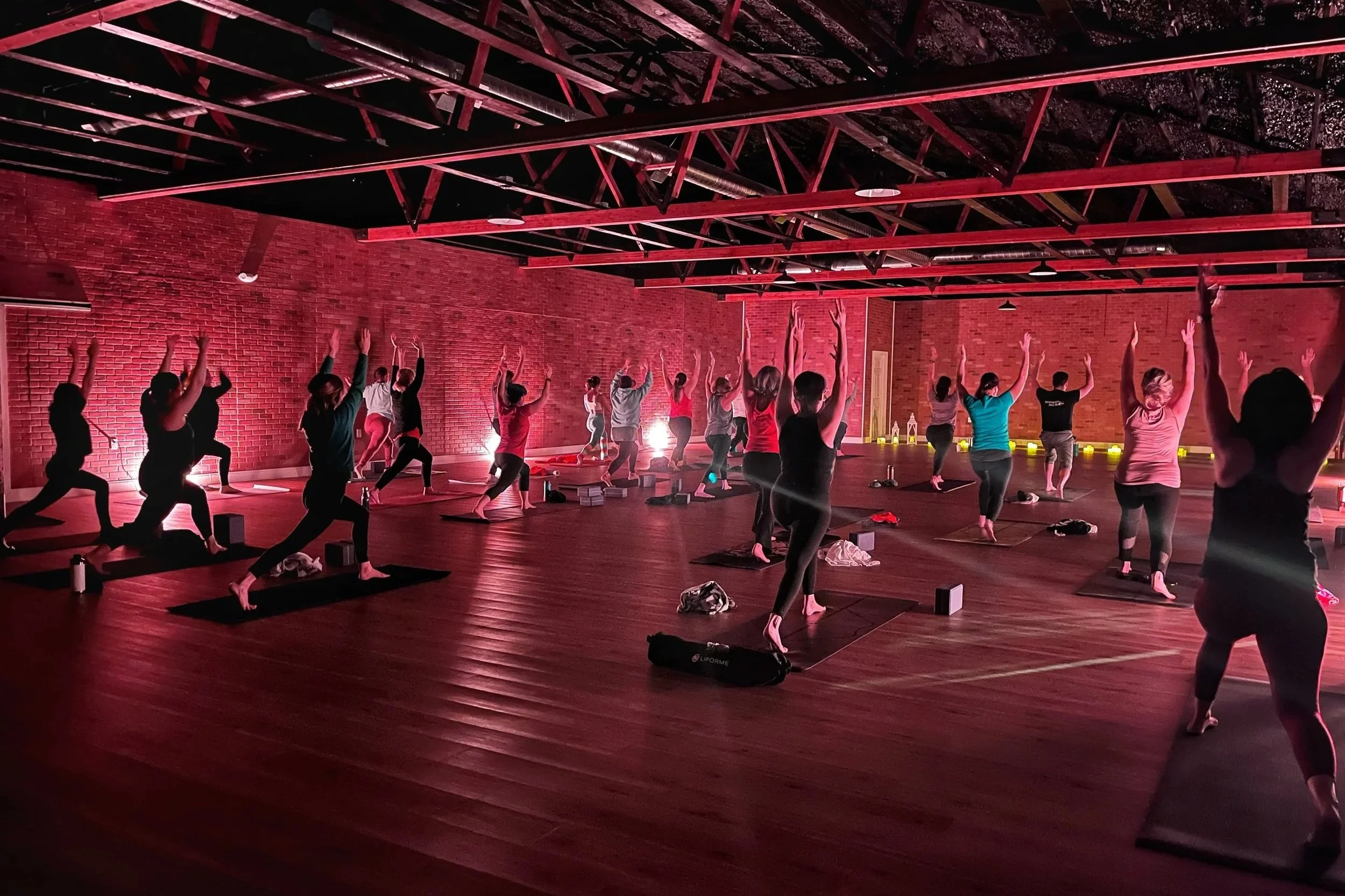
Root Chakra Balancing from Chakras & Chocolate
We’ve all experienced it: walking into a room and instantly sensing the mood, or meeting someone whose presence feels either welcoming or off-putting. Think of a person you’re naturally drawn to - someone upbeat, supportive, and kind. You intuitively feel safe, relaxed, and at ease around them. Their energy feels open.Now think of someone who carries a constant heaviness - judgmental, unhappy, or chronically negative. Around them, you may feel tense or guarded, even if nothing specific has been said. Their energy feels closed. There can be an energetic pull in both directions. Whether we label it or not, most of us agree: energy is real, even if we don’t always know what to call it.
Energy Is Not New
This idea of energy isn’t exclusive to yoga, and it’s probably more familiar than we realize. Across cultures and traditions, people have described a life-force energy that animates the body and influences how we feel. It’s been called Prana, Qi, Ki, Ruach, Baraka, all different names pointing to the same underlying experience. Many practices we still use today came from systems that weren’t just curious about energy, but actively worked with it. Through movement, breath, observation, and meditation, they explored how energy flows and how balance supports overall well-being.
Chakras: Your Energy Map
In yoga, chakras serve as an energy map of the body.. The word chakra means “wheel,” and the seven main energy centers run from the base of the spine to the crown of the head. One of the simplest ways to understand them comes from teacher Anodea Judith, who compares the chakras to major cities along a highway. Each one has its own role and focus. When energy moves freely between them, we tend to feel more at ease. When it doesn’t, we notice - physically, emotionally, or mentally.
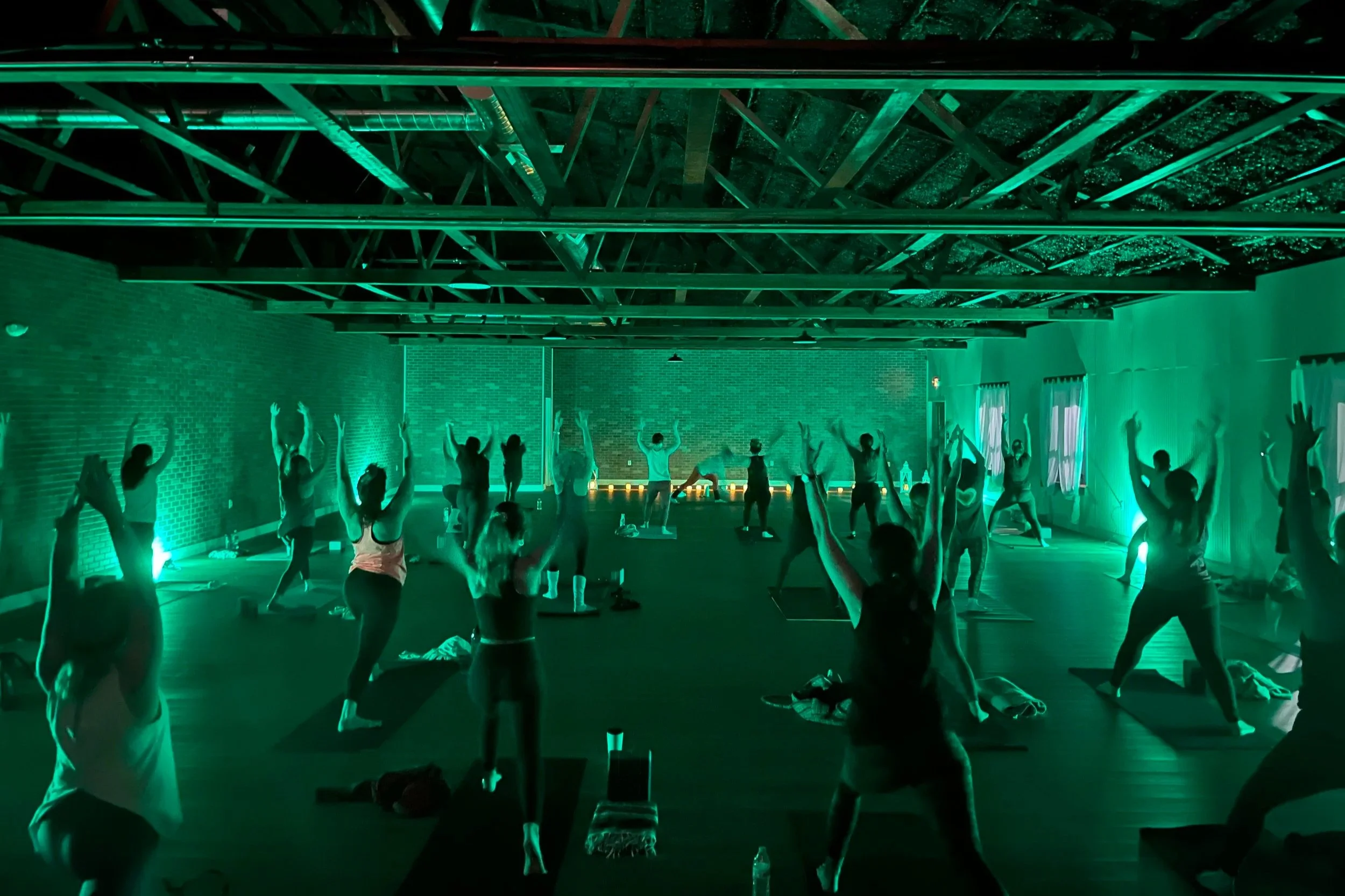
Heart Chakra Balancing at Chakras & Chocolate
Why Chakra Balance Matters
We all have all seven chakras. But in real life, we rarely operate from a perfectly balanced system. Most of us tend to lead with certain chakras, energy centers that feel familiar or overused. These patterns can influence our personality traits, emotional responses, and even how we move through relationships.For me, I know I’m very root- and heart-chakra heavy. I value stability, loyalty, and connection. Those qualities are strengths but they also highlight where balance might be needed elsewhere. People don’t always realize: a dominant chakra usually developed because it worked. It became a coping strategy. A strong root chakra might come from learning safety through structure or control. A dominant heart chakra can come from learning connection through caretaking and compassion. These patterns aren’t flaws, they’re adaptive intelligence. Awareness simply helps us see where balance might be invited next.
Signs of Imbalance
Imbalance usually falls into two categories: (1.) Too much energy, which can feel like overdoing, getting stuck, or overcompensating or (2.) too little energy, which can feel like avoidance, shutdown, or suppression. Neither is wrong. They’re both responses. Often, excess develops because we learned to overcorrect. Deficiency can come from learning that it was safer not to feel or express certain things. And when emotions aren’t allowed to move, they don’t disappear, they get stored.
Anodea Judith offers a helpful metaphor: “The same way electricity is an interface between software and hardware, it needs charge to access the internet. Mind is the software. Body is the hardware. Life force energy exists at the meeting point, allowing the two to interface.” This is where chakras stop feeling abstract. They help explain why thoughts affect the body, why emotions show up physically, and why movement and breath can be so regulating. Chakras respond to things we already use in practice, movement, breath, sound, color, and even scent. That’s why yoga, music, light, and sensory experiences can create real shifts, even when we can’t quite explain why.
Exploring Your Energy
One simple way to explore your energetic tendencies is through a chakra self-assessment or quiz. You’ve likely seen these floating around before they’re not meant to diagnose or label, just to offer insight. If you’re feeling playful, try this free online chakra quiz to see which energy centers may be dominant, under active, or asking for attention: 👉Chakra Test Sometimes awareness alone creates subtle shifts.
Practices like yoga, breath work, meditation, and intentional movement allow us to feel the chakra system rather than just think about it. You might notice certain areas light up right away, while others feel quieter and that’s information.
Chakras and Chocolate: A Playful Journey
Our Chakras and Chocolate experience was created with this in mind: a playful yet intentional journey through the seven chakras using mindful movement, chakra-inspired lighting, sensory awareness, and nourishment. Balance doesn’t have to be serious or rigid. It can be experiential, joyful, and even a little indulgent.
Balance isn’t something we achieve once and keep forever. It’s a practice, one that asks us to notice where energy is flowing freely and where it might be asking for support. The more we listen, the more information we receive.
And sometimes, that awareness begins not with answers but with curiosity.